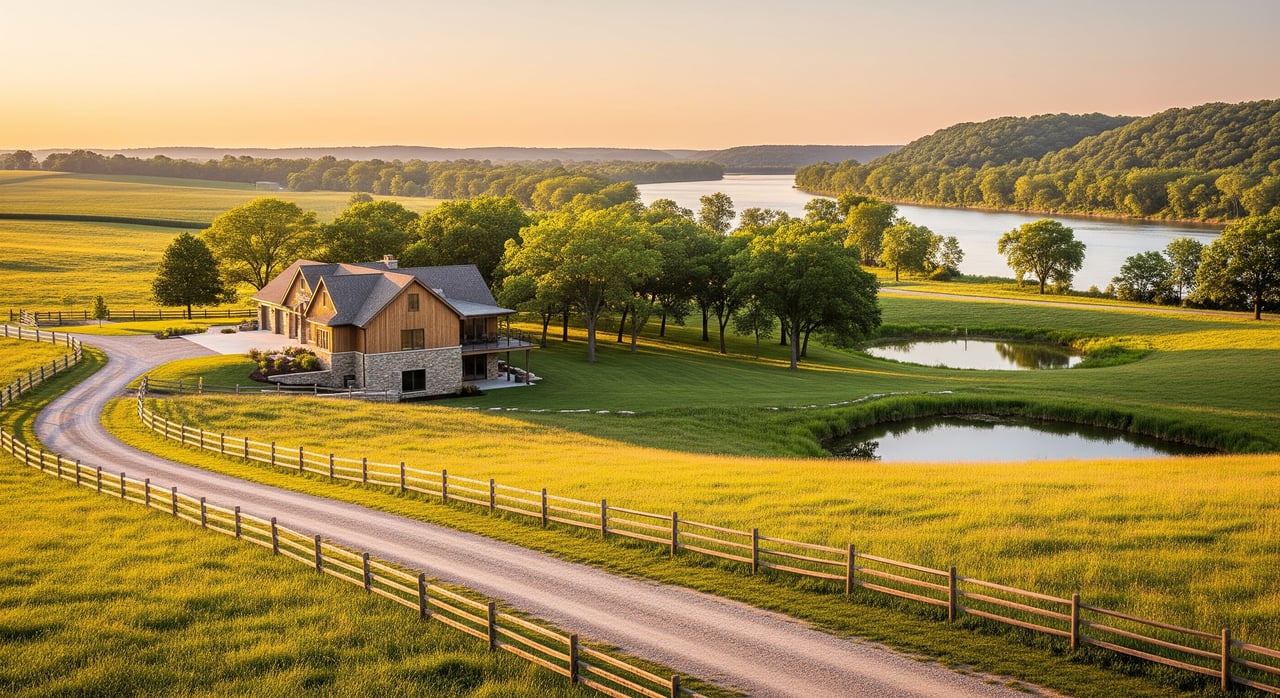
Thinking about trading your city lot for open space near Riverside? Many buyers want a little more elbow room for a shop, a few animals, a big garden, or simply quiet views. The right acreage can be a dream, but rural properties work differently than in-town homes. In this guide, you will learn how to verify access, utilities, covenants, outbuildings, financing, and inspections for acreage in and around Riverside in Washington County. Let’s dive in.
Clarify parcel type and location
Understanding what you are buying is step one. “Acreage” around Riverside can mean a rural residential parcel, a small hobby farm, or an agricultural piece with a home. Your goals might include livestock, orchards, a detached workshop, or more privacy. That is all possible, but the parcel type determines what is allowed and how the property is taxed.
Inside city limits or unincorporated
Start by confirming whether the property sits inside Riverside city limits or in unincorporated Washington County. This choice affects utility availability, building codes, and which office issues permits. City parcels may have access to municipal services. County parcels rely more on private systems and county oversight.
Zoning, classification, and allowed uses
Check the zoning and parcel classification. Residential, agricultural, or a split classification changes what you can build and whether you can keep animals. It also influences setbacks, permits, and tax treatment. Contact Washington County Planning and Zoning or the City of Riverside to confirm rules for your intended use.
Verify access and road maintenance
Legal access sounds simple, but it is one of the most important checks on a rural purchase. You want recorded, deeded access to a public road, not just a path you have always used.
Recorded access matters
Ask for a title report and a plat map to verify ingress and egress. Confirm any shared or private driveways and whether a maintenance agreement exists. Properties that rely on unrecorded or “prescriptive” access can be difficult to finance and insure.
Road type and winter reliability
Learn what kind of road serves the property. Paved county roads, gravel township roads, and private roads each carry different maintenance and snow removal expectations. If the road is private, get a written road agreement and ask about typical annual costs. Reliability in winter affects daily life and resale value.
Driveways, sight distance, and easements
Check driveway location, sight distance, and county right-of-way setbacks. Review recorded easements for utilities, pipelines, or agricultural drainage that might limit where you can build. Good information up front helps you plan future improvements.
Understand utilities and services
Utilities drive comfort and cost. They also matter to lenders and appraisers.
Water: well or municipal
Most rural acreages near Riverside rely on private wells. Ask about well depth, gallons per minute, and water quality. Plan a licensed well inspection and water test before closing. If a parcel is inside city limits, confirm the availability and cost of a municipal water connection.
Septic and wastewater
Many rural homes use septic systems. Learn the system type, age, service records, and soil suitability for a future replacement. Check county health or environmental records for permits. If you plan to add bedrooms or new outbuildings with plumbing, you may need septic approvals.
Electricity, heat, and propane
Verify electric service and the distance to the nearest pole. Extending lines can be costly. Natural gas is uncommon in rural spots, so many properties heat with propane, fuel oil, electric, or geothermal. If there is a propane tank, confirm whether it is owned or leased and ask about delivery and setbacks.
Internet and communications
Broadband varies by location. Options can include fixed wireless, DSL, cable, fiber in limited areas, or cellular hotspots. If you work from home, confirm who serves the exact parcel and test actual speeds on site. Do not rely only on coverage maps.
Trash, mail, and emergency services
Ask about trash pickup, mailbox location, and whether a rural route or cluster box is used. Verify fire protection and response times for the area, which may be covered by volunteer departments. If there are no hydrants nearby, discuss water supply for firefighting, such as a cistern or dry hydrant.
Check covenants, zoning, and permits
Rules vary across rural subdivisions and country roads. A quick review now can prevent costly changes later.
Covenants and associations
Some developments have restrictive covenants that limit animal types, house size, exterior materials, metal buildings, or RV parking. Determine if an association exists, whether it is active, and what fees apply. Covenants run with the land and are enforceable.
Permits and inspections
Most new dwellings, larger outbuildings, and electrical, gas, or plumbing changes require permits. You may also need septic, well, driveway approach, or erosion control permits for certain projects. Check with Washington County or the City of Riverside before starting work.
Evaluate outbuildings and improvements
Outbuildings can be a huge value add, but condition and permit status matter.
Condition and fitness for use
Inspect roofs, foundations, electrical systems, ventilation, and signs of rodent or insect damage. For barns, assess structural soundness and usable square footage for your intended animals or equipment. A licensed contractor or structural engineer can help evaluate major buildings.
Setbacks, utilities, and use
Confirm permitted use of each structure and whether past additions were permitted. Setbacks from property lines and easements can limit where you can place a new barn or shop. Clarify utility service to each building, especially if you plan to add heat, water, or a bathroom.
Environmental red flags
Older buildings may contain lead paint or asbestos. Look for underground tanks, fuel stains, or leftover agricultural chemicals that could indicate environmental issues. If the property had heavy agricultural or commercial use, consider an environmental review.
Assess soil, drainage, and flood risk
Soil and water conditions affect daily living, gardening, building costs, and septic performance.
Soils and drainage tile
Use soil maps and local guidance to understand soil types, shrink-swell potential, and drainage. Many local parcels have underground drainage tile or surface ditches. Damaging tile can be expensive, and drainage districts may have special rules. Confirm locations and any recorded drainage easements.
Floodplain and wetlands
Check FEMA flood maps to see if the property sits within a flood zone. Floodplain parcels can require elevation or floodproofing for new structures and may require flood insurance. Wetlands are regulated, so altering them can require permits and mitigation.
Plan financing, appraisal, and taxes
Talk with lenders who regularly finance rural property. Loan type, appraisal approach, and tax classification all influence your budget.
Common loan options
- Conventional mortgages for homes on acreage, with appraisals supported by comparable rural sales.
- FHA or VA loans in certain cases, noting condition requirements and standards for reliable access and utilities.
- USDA Rural Development loans for eligible areas and borrowers who meet income limits, subject to property eligibility.
- Agricultural or farm loans, often for parcels with agricultural use or income.
- Lot and land loans for raw land, which usually require larger down payments and higher rates.
Appraisals and comparables
Rural appraisals can be tricky because there are fewer recent sales and outbuildings vary widely. Some improvements do not appraise at full replacement cost. Lenders also require the home to meet habitability standards.
Taxes and special assessments
Property tax treatment can change if a parcel qualifies as agricultural under local rules. Ask the county assessor for guidance on classification and any minimum use requirements. Check for special assessments tied to road work or drainage districts.
Common financing red flags
Red flags include lack of recorded legal access, unpermitted structures, unreliable utilities, and environmental concerns. These can delay or prevent loan approval. Address them early to keep your contract timeline on track.
Budget for insurance and ongoing costs
Ownership costs on acreage are different from in-town homes. Plan for routine care and higher-liability uses.
Insurance to consider
- Homeowners coverage for the dwelling and detached structures.
- Farm or ranch liability if you keep livestock or operate a farm business.
- Flood insurance if the property is in a mapped flood zone or you want added protection.
- Umbrella liability for larger parcels, ponds, or frequent visitors.
Operating costs to plan for
Budget for private road maintenance if applicable, septic pump-outs, well testing, propane or other fuel deliveries, and outbuilding upkeep. Set aside funds for unexpected repairs, such as well components, septic replacement, or a barn roof.
Due diligence checklist before you commit
Use this short list to organize your inspections and record requests.
- Title search with all recorded easements and any covenants.
- Plat map and, if needed, a boundary survey to confirm fences and drive locations.
- Well inspection and full water quality test.
- Septic inspection with permit records and soil suitability for replacement.
- Full structural inspection of the house and major outbuildings.
- Soil and site review, including the presence and location of any drainage tile.
- Floodplain and wetlands check.
- Environmental screening for tanks, chemical storage, or spills when applicable.
- Utility availability check for electricity, internet, and propane options.
Talk to the right local offices
- Washington County Planning and Zoning and Environmental Health for zoning, septic, and well records.
- Washington County Assessor and Recorder for tax classification and recorded documents.
- City of Riverside if the parcel is inside city limits.
- USDA and local extension resources for soils and agricultural guidance.
- Local lenders and insurance agents experienced with rural properties.
Smart timeline and next steps
- Define your goals for animals, gardening, or shop space. Share these with your agent and lender.
- Confirm parcel location, zoning, and recorded access early in your search.
- Verify utilities and internet options at the address, not just by map.
- Order well, water, and septic inspections soon after offer acceptance.
- Inspect outbuildings with a contractor if you plan significant use or upgrades.
- Review covenants, permits, and setbacks before you design new structures.
- Revisit the property after heavy rain or snow to judge access and drainage.
Ready to explore Riverside acreage?
If you want more space without giving up Iowa City metro convenience, small acreages around Riverside can deliver. With the right plan, you can secure legal access, confirm utilities, and protect your investment through targeted inspections. When you are ready, connect with a local team that knows rural parcels and county processes. Reach out to Blank & McCune Real Estate to talk through your goals and start your search with confidence.
FAQs
What should I verify first when buying acreage near Riverside?
- Confirm parcel location, zoning or classification, and recorded legal access to a public road, since these shape what you can build and how you can use the land.
How do wells and septic systems affect a rural purchase in Washington County?
- Plan a licensed well inspection and water test, and a septic inspection with permit records, since capacity, age, and soil conditions determine performance and replacement costs.
Can I keep hobby livestock on a Riverside-area acreage?
- Check zoning and any recorded covenants for animal limits and setbacks, as rules vary between city limits and unincorporated county parcels.
What should I look for in outbuildings on a hobby farm?
- Evaluate roof, foundation, electrical, ventilation, and structural soundness, and confirm permits and allowed use, since condition and compliance affect value and safety.
Which loans work for homes on a few acres around Riverside?
- Options can include conventional, FHA or VA in some cases, USDA Rural Development, and farm or land loans, depending on property eligibility and your plans for use.
How do floodplain and drainage tile influence my plans?
- Floodplain areas may require flood insurance and building elevation, and drainage tile locations can limit excavation or building sites, so verify both during due diligence.