If you are thinking about leasing office or retail space in downtown Iowa City, you are probably weighing more than rent alone. You need to know whether your concept fits the district, whether the space can support your day-to-day operations, and how long it may take to open. Downtown can be a strong location, but it rewards planning. Let’s dive in.
Why downtown Iowa City draws tenants
Downtown Iowa City is a compact, walkable mixed-use district centered on the Ped Mall. It brings together retail, restaurants, offices, residential buildings, hospitality, and cultural uses in one central area. That mix helps create steady activity throughout the day and evening.
For many tenants, the biggest advantage is simple: people are already there. The Iowa City Downtown District reported 8.9 million visits in 2023-2024, up 5.2% year over year. Its 2023 report also described downtown vacancy as record-low, with an overall vacancy rate of 3%.
That kind of traffic can matter if your business depends on visibility, walk-in customers, or being close to other active uses. It can also support smaller office users who want a central location near restaurants, services, and meeting spots. In short, downtown offers built-in momentum, but the right fit still depends on your exact use and your exact address.
Retail space works best when it fits the district
Downtown Iowa City is not built like a highway retail corridor. It is designed for pedestrians, storefronts, and street activity rather than large parking fields or auto-oriented businesses. That affects which retail concepts tend to work best.
The current downtown retail strategy shows that food and beverage remains a major part of the district, with 105 restaurants, bars, grocery, and other food-related outlets reported in 2023. At the same time, downtown has seen fewer soft-goods and apparel tenants than it had a decade ago, even though demand for that category is increasing and available retail space is limited.
That creates an important clue for prospective tenants. The district has identified current need for concepts such as men’s apparel, home decor, activewear, toys, shoes and accessories, handbags, garden shops, tech, travel and office goods, art supplies, pet and food accessories, bike repair, and beauty or makeup businesses.
If your concept aligns with those gaps, downtown may offer a stronger opportunity. If your business depends on frequent vehicle access, heavy loading, or highly visible auto-oriented operations, the district may be a tougher fit.
Retail storefronts need a sidewalk-first mindset
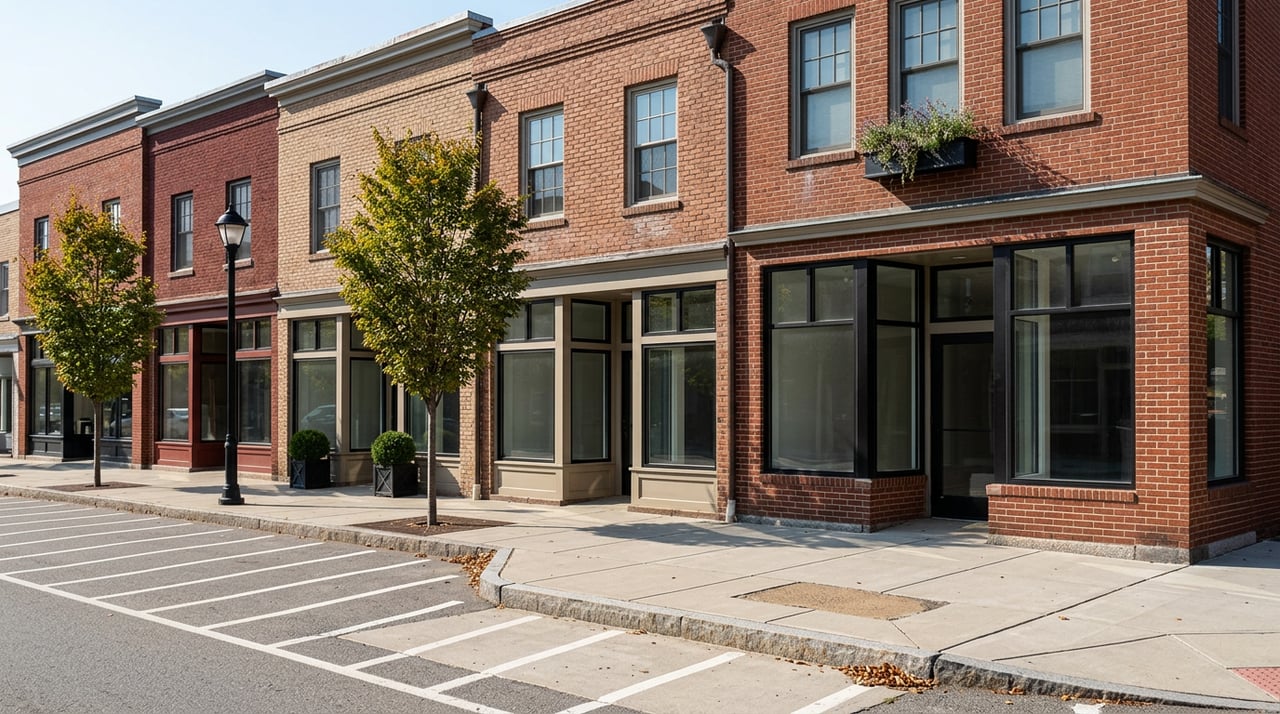
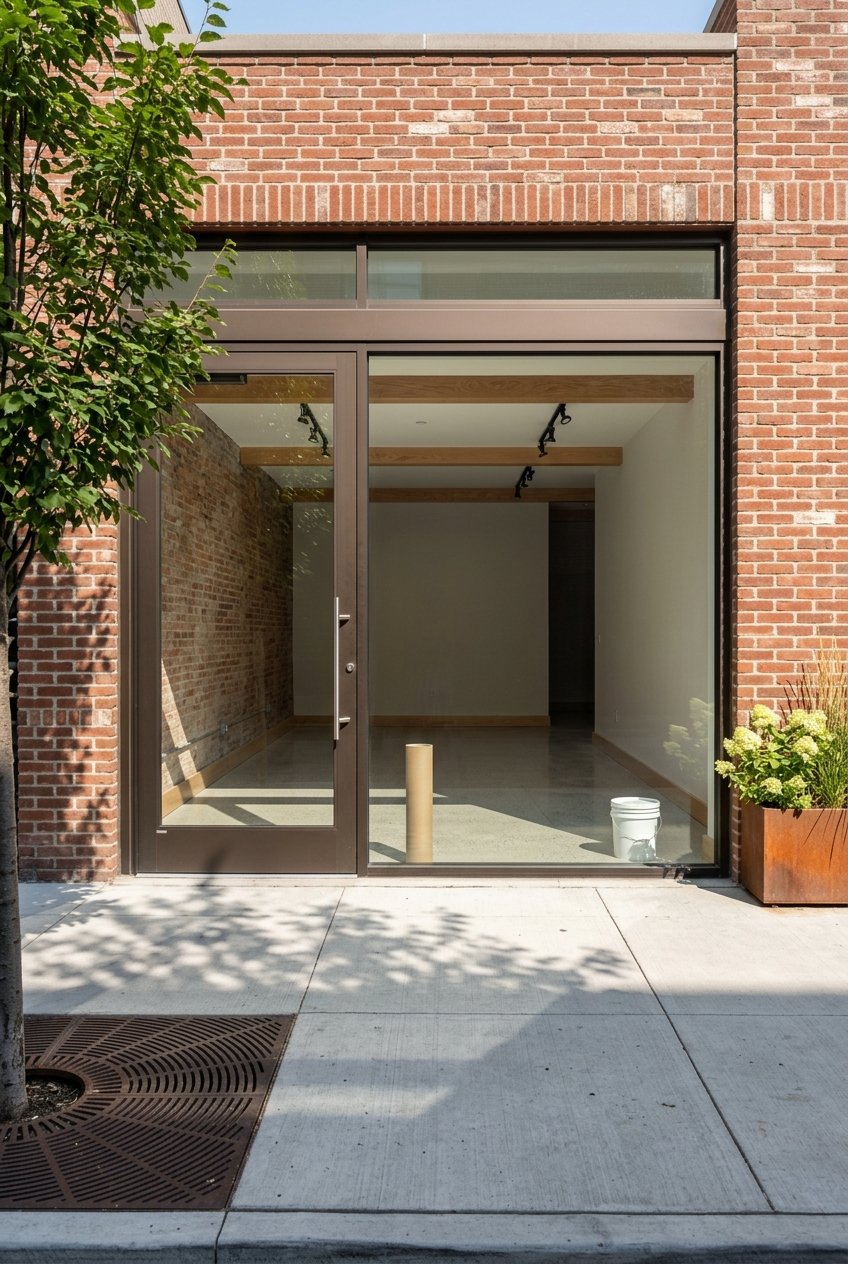
In downtown Iowa City, your storefront is part of the customer experience. Local guidelines emphasize pedestrian-scale signage, transparent storefronts, and clear visibility from the sidewalk. Window displays and sidewalk-facing identity matter more here than large roadside signs.
That means a good retail space is not just about square footage. You will also want to evaluate frontage, visibility, the condition of the storefront, and whether your brand can be seen clearly by people on foot. If you plan to add a sidewalk café or sidewalk retailing, those uses may require separate approvals and insurance requirements.
Office space can still make sense downtown
Even with remote work changing how some companies use space, downtown office leasing still has a place in Iowa City. The Iowa City Downtown District reported that some office users, including the University of Iowa, need less space than before, but physical office space still matters for collaboration and innovation.
That can create opportunity for smaller firms that want a central, professional setting without needing a large footprint. Downtown has also seen strength from creative and engineering services, banks, health and beauty or health services, law firms, and arts and culture organizations.
For many office tenants, the value of downtown is convenience and presence. You may be close to clients, food options, and other services, while still benefiting from a walkable environment. In the right building, upper-floor office space can also be a practical match for the district’s layout.
Upper-floor offices often fit downtown form best
Iowa City’s central business zoning is intentionally pedestrian-oriented. In the CB-10 zone, customer-traffic uses like retail are generally intended for ground floors, while office or residential uses are typically located above or behind street-facing commercial space.
That does not mean every office space is upstairs, but it does mean you should expect many downtown office opportunities to be on upper levels or set behind active storefront areas. For some businesses, that is a benefit because it can offer quieter space while still keeping a central address.
Zoning and layout matter before you sign
One of the most important leasing steps is confirming that your intended use is allowed at the specific address. Downtown zoning is designed to support a wide range of retail, service, office, entertainment, and residential uses, but not every use works in every space.
Auto-oriented uses are generally not permitted in the core central business framework. The city’s standards also expect active commercial uses to face the sidewalk, while service and loading functions should work through alleys, rear lanes, courts, or other less visible access points when practical.
This matters because a space that looks workable at first glance may still have functional limits. Before you commit, you should understand how deliveries happen, where trash and service access are located, and whether the layout supports your operations.
Parking can shape the leasing decision
Parking is one of the biggest practical issues in downtown Iowa City. The city says demand is high, with short-term on-street meters concentrated in the core to encourage turnover. Longer-term parking is generally expected to use city ramps or outlying streets.
The city’s current parking information lists the first hour free in downtown ramps, with $2 per hour after that. The city also offers parking permits for downtown ramps and designated lots.
For an office tenant, that may affect how you think about employee parking. For a retailer, it may affect customer convenience, pickup routines, and how you explain access to visitors. It is smart to confirm your parking plan early rather than treat it as a detail to solve later.
Historic buildings can add review time
Downtown Iowa City includes historic buildings and a Downtown Historic District that was listed in the National Register of Historic Places in 2021. Because of that, exterior changes may require additional review by the city’s historic preservation staff.
This does not mean you should avoid historic properties. It does mean you should expect signage, façade changes, and some exterior work to take more coordination than they might in a newer suburban building.
If your concept depends on a major storefront refresh, a new sign package, or patio improvements, build extra time into your schedule. Early clarity can help you avoid delays after the lease is signed.
Understand the lease beyond base rent
Commercial lease language can have a major impact on your real monthly cost. At a high level, a gross lease usually includes more operating expenses in the rent, while a net lease shifts some costs, such as taxes, insurance, common area maintenance, utilities, or maintenance, to the tenant.
The key point is that shorthand terms do not tell the whole story. Labels like gross, net, or NNN are not always standardized in practice, so the actual lease language matters more than the label.
When you review a lease, pay close attention to the clauses that control cost, flexibility, and opening risk. That includes items like:
- Tenant improvement allowances
- Construction responsibilities
- Rent escalation terms
- Renewal or extension options
- Exclusive-use clauses
- Radius restrictions
- Continuous-operation requirements
- Assignment and subletting terms
- Default remedies
For downtown Iowa City, these details matter even more because your opening may also depend on city approvals for signage, exterior work, patios, or occupancy.
Build-out timing should start with permits
A common mistake in commercial leasing is setting an opening date based only on the lease signing date. In downtown Iowa City, your timeline should be tied to permits, approvals, and the actual condition of the space.
The city says there is no general business license, but building permits are required for most construction, enlargement, alteration, repair, demolition, or occupancy changes. New commercial construction also requires electrical, mechanical, and plumbing permits, and a Certificate of Occupancy is required before the space can be used.
Large projects may also need major site plan review, which can add three to six weeks. If an existing building lacks fire suppression, the fire department may need to confirm whether your intended use requires it.
A practical downtown leasing timeline
A smart leasing process usually follows a clear sequence:
- Confirm the allowed use by exact address.
- Ask whether the project needs a building permit or occupancy-related approvals.
- Determine whether design review or historic review applies.
- Align the landlord, contractor, and designer or architect on the scope of work.
- Budget time for permit review before you commit to an opening date.
- Confirm separate approvals if you plan sidewalk retailing or a sidewalk café.
This step-by-step approach can save time and money. It also helps you compare spaces based on realistic opening costs rather than just advertised rent.
Local support can make downtown more attractive
Downtown Iowa City offers more support than many tenants expect. The Iowa City Downtown District lists grants and incentives for downtown businesses, including a $15,000 retail build-out grant for eligible new soft-goods or merchandise leases.
The district also offers CoSign+ support for storefront and signage improvements, a property-evaluation program for older buildings, marketing support, the Downtown Gift Card program, Local Rewards, Downtown Delivers, and more than 24 annual events designed to increase foot traffic.
Those tools can be meaningful if you are comparing downtown with another business corridor. They do not replace due diligence, but they can improve the value of the location for the right tenant.
How to decide if downtown is right for you
Downtown Iowa City can work very well for retail and small office users, but success usually comes down to fit. You need a space that matches your use, a lease that reflects your real operating costs, and a timeline that accounts for permits and reviews.
If you are early in the process, focus on a few basic questions:
- Is your use allowed at this exact address?
- Does the storefront or office layout support your operations?
- How will parking, deliveries, and loading work?
- Will signage or exterior changes require extra review?
- What improvements are needed before you can open?
- What costs will you pay beyond base rent?
Those answers are often easier to sort out before you negotiate final terms. A local commercial broker can help coordinate zoning checks, landlord conversations, parking questions, and permit timing so you can evaluate the opportunity with clearer expectations.
If you are considering downtown office or retail space in Iowa City, working with a team that knows the local market can help you move forward with more confidence. Blank & McCune Real Estate offers personalized commercial sales and leasing guidance rooted in decades of local experience.
FAQs
What kinds of retail businesses fit downtown Iowa City best?
- Downtown Iowa City is currently seen as a strong fit for several retail categories, including men’s apparel, home decor, activewear, toys, shoes and accessories, handbags, garden shops, tech, travel and office goods, art supplies, pet and food accessories, bike repair, and beauty or makeup concepts.
What should you check before leasing office space in downtown Iowa City?
- You should confirm the allowed use by exact address, review parking options, understand the building layout, and ask whether any permits, occupancy approvals, design review, or historic review will be required.
How does parking work for downtown Iowa City commercial space?
- The city says downtown parking demand is high, short-term meters are concentrated in the core, and longer-term parking generally uses city ramps or outlying streets; downtown ramps currently offer the first hour free and then charge $2 per hour after that.
Do exterior changes to downtown Iowa City retail space need approval?
- Yes, they can, especially in historic areas or on buildings with visible exterior changes such as signage or façade updates, so it is important to ask early whether historic preservation or design review applies.
How long does it take to open a leased commercial space in Iowa City?
- The timeline depends on the address, the condition of the space, the scope of improvements, and the required permits or reviews; larger projects may also need major site plan review, which can add three to six weeks.
What lease terms matter most for downtown Iowa City tenants?
- The most important terms usually include rent structure, operating expenses, tenant improvement allowances, construction responsibilities, renewal options, assignment and subletting rights, continuous-operation requirements, and any clauses that could affect how or when you open.