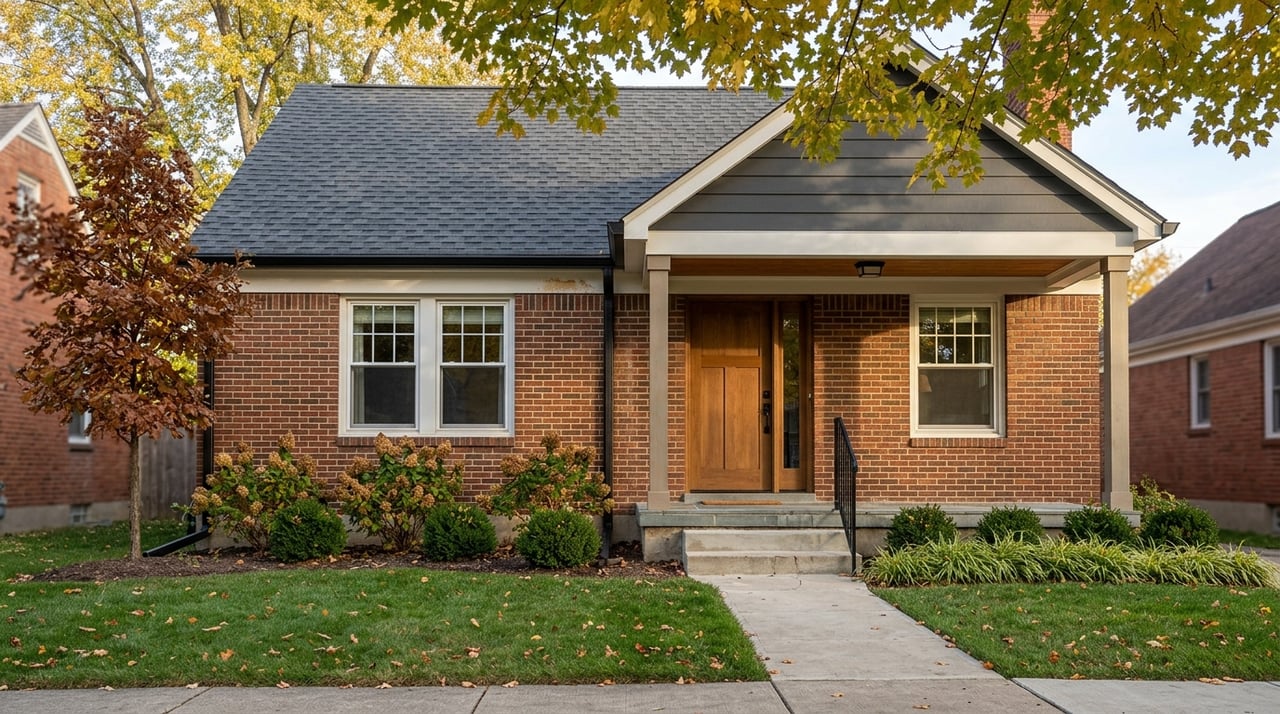
Wondering why one Iowa City home feels easy to live in while another feels full of character but higher-maintenance? That usually starts with style, and in Iowa City, style often reflects when a home was built and how the neighborhood developed over time. If you understand the most common home styles in the area, you can tour with more confidence and focus on the features that matter most to your daily life, renovation plans, and long-term goals. Let’s dive in.
Why Iowa City Home Styles Matter
Iowa City’s housing stock is layered by era, and that gives buyers a wide mix of options. In older areas, architectural style is not just about looks. It can also affect maintenance, layout, parking, renovation choices, and whether exterior changes may be reviewed by the city.
The city’s preservation materials identify styles commonly used to judge compatibility in central planning and historic areas, including Italianate, Queen Anne, Colonial Revival, Craftsman, Craftsman Bungalow, American Foursquare, Prairie School, Period Revival, and Eclectic. That means style can shape both what you buy and what you may want to verify before making updates later.
Iowa City Neighborhoods Show Clear Eras
Some of Iowa City’s best-known older neighborhoods make these style differences easy to see. The Longfellow Historic District began as a streetcar suburb, with part of the area developed before World War I and the rest filling in through World War II. It still shows many historic garages and uniform setbacks that reflect that earlier pattern.
Manville Heights tells a different story. Its homes include Georgian Revival, Mission, Craftsman, Tudor Revival, simplified Prairie School, American Foursquare, Bungalow, Period Cottage, Cape Cod, Ranch, and Neo-Colonial forms. In one neighborhood, you can often see how buyer preferences changed from one era to the next.
Summit Street adds another layer. The city describes it as one of Iowa City’s best collections of well-preserved Victorian-era and turn-of-the-century American Revival residences, with deep wooded lots, carriage houses, and historic landscaping. For buyers, that often means a strong sense of place, but also a need to pay close attention to lot use, garage access, and exterior condition.
Victorian, Italianate, and Queen Anne Homes
These are often the most ornate older homes you will see in Iowa City. Italianate houses are typically vertical in shape, with tall narrow windows, wide bracketed eaves, and decorative porches. Queen Anne homes are usually asymmetrical, with varied rooflines, decorative trim, shingles, and, in some cases, wraparound porches or turrets.
For many buyers, the appeal is obvious. These homes can offer standout curb appeal and period detail that is hard to replicate in newer construction. If you love craftsmanship and architectural character, this group may be the first one that catches your eye.
The tradeoff is usually exterior upkeep. More trim, more porch detail, and more roof intersections often mean more painting, more carpentry repairs, and closer monitoring for moisture or roof issues. If you are drawn to these homes, it helps to balance emotion with a realistic view of maintenance.
Craftsman, Bungalow, Foursquare, and Prairie Influence
This may be the most practical style group for many Iowa City buyers. Craftsman houses are often two stories with low roofs, open eaves, and simple rectangular plans. Craftsman bungalows use that same design language in a one- or one-and-a-half-story format.
American Foursquares are more box-like, usually with hipped roofs and a straightforward layout that began as four rooms on each of two floors. Prairie School homes use low hipped roofs, deep eaves, and simple massing, though the city notes that historic Prairie School buildings are not typical in Iowa City even if Prairie-based designs are allowed.
For buyers, this group often hits a sweet spot between charm and function. You may get a broad front porch, efficient room flow, and less exterior fuss than you would with a more ornate Victorian home. These homes can feel classic without feeling overly formal.
Colonial Revival, Dutch Colonial, and Cape Cod
If your taste leans traditional, this group may feel especially comfortable. Colonial Revival homes in Iowa City are generally symmetrical and rectangular, with side-gable or gambrel roofs, small dormers, and restrained classical detailing around entries or porches. Dutch Colonial Revival is the gambrel-roof variation, while Cape Cod cottages appear in places like Manville Heights in the late 1920s and 1930s.
These homes often feel easy to furnish because their room shapes and exterior forms are familiar and balanced. Many buyers also like their classic curb appeal and more restrained detailing compared with highly ornate older homes.
The tradeoff is often interior layout. Compared with newer open-concept homes, Colonial Revival and related styles can feel more compartmentalized. That is not necessarily a downside, but it does matter if you want large sightlines between living, dining, and kitchen spaces.
Ranch and Neo-Colonial Homes
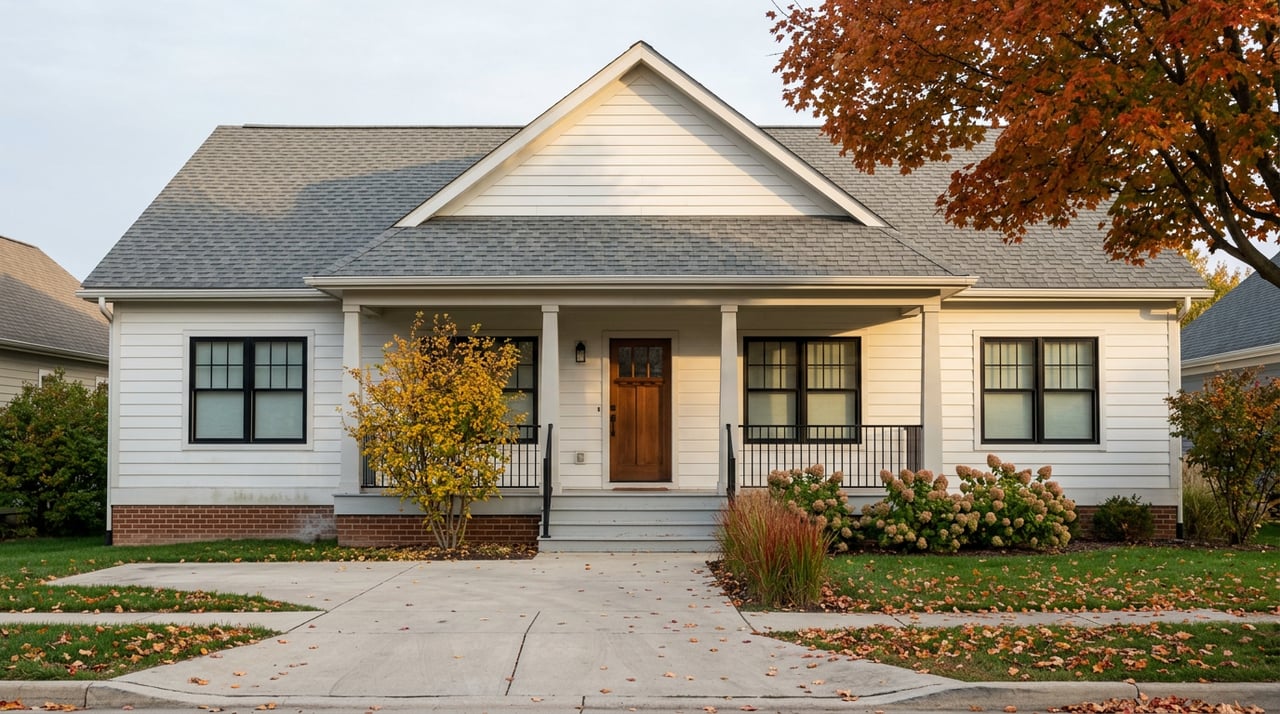
By the early 1960s, neighborhoods such as Manville Heights were adding Ranch and Neo-Colonial homes. Ranch homes are generally single-story and low-profile, with wider layouts and an emphasis on easier movement through the home.
For buyers, Ranch homes can be appealing because day-to-day circulation is simple. You may have fewer stair transitions and a layout that feels practical for everyday living. That can be especially useful if you are thinking about long-term convenience.
The tradeoff is usually less vertical character and less of the architectural ornament seen in earlier homes. If you value simplicity over decorative detail, though, Ranch and similar postwar styles may be a strong fit.
What Style Means for Maintenance
In Iowa City, one of the clearest divides is between ornate older homes and simpler postwar ones. Victorian, Italianate, and Queen Anne houses usually have more trim, porches, and roof complexity. Craftsman, Foursquare, and Ranch homes generally have simpler massing and fewer decorative elements.
That difference matters because it often affects how much exterior attention a home needs. Older ornate houses may require more upkeep related to paint, flashing, and carpentry. Simpler homes are often easier to maintain on the outside, at least in relative terms.
If a home is in a local historic district or is a local landmark, renovation choices may involve more than just your budget and contractor timeline. Iowa City’s review standards focus on things like massing, roof configuration, windows, doors, and exterior details. So if you hope to change a façade, porch, or visible exterior feature, style and location both matter.
What Style Means for Daily Living
Home style also affects how a house functions once you move in. Bungalows and Ranch homes often support more uncomplicated movement from room to room. That can be a good match if you want straightforward circulation and a more casual daily routine.
Foursquares and Colonial Revival homes often divide spaces more formally. You may find a clearer separation between living areas and private rooms, which some buyers prefer. The key is to match the floorplan to how you actually live, not just how the home looks in photos.
In older in-town neighborhoods, parking and storage deserve extra attention. Longfellow includes many historic garages and narrow concrete driveways, while Summit Street includes carriage houses and older lot patterns. Those details can add charm, but they may not work as well if you need oversized garage space or easier side-yard access.
What Style Can Mean for Resale
In Iowa City, resale often reflects a mix of neighborhood character, condition, and how well a home’s original form has been preserved. In places like Summit Street and Longfellow, the surrounding streetscape can shape buyer perception because the homes, setbacks, garages, and landscaping all contribute to a recognizable setting.
That does not mean every old house will perform the same way. Condition still matters, and buyers often respond to homes that retain the features that make the style feel authentic. A preserved porch, consistent window pattern, or original massing can matter as much as square footage when a home is marketed in a character-rich area.
It also helps to separate recognition from regulation. A National Register listing is honorific and does not by itself regulate changes. Local historic district status or local landmark status is what can trigger exterior review.
What to Verify During Home Tours
When you tour homes in Iowa City, style should guide the questions you ask. A beautiful exterior is just the starting point.
Here are a few smart checks to keep in mind:
- Confirm whether the property is in a local historic district, conservation district, or simply looks historic without local designation.
- Look closely at roof shape, massing, windows, doors, porch condition, and exterior detailing, especially if you may want to make changes later.
- Match the floorplan to your routine. Simpler layouts often suit buyers who want easier circulation, while more formal plans can better fit buyers who want distinct rooms.
- Check parking, driveway width, garage size, and storage as carefully as interior square footage in older neighborhoods.
Choosing the Right Style for You
There is no single best home style in Iowa City. The right fit depends on what you value most: character, simplicity, easier upkeep, a formal floorplan, or a home that may be easier to adapt to your routine.
If you love architectural detail and historic streetscapes, an older Victorian, Italianate, or Queen Anne home may be worth the added maintenance. If you want a balance of charm and practicality, Craftsman, bungalow, and Foursquare homes often stand out. If you prefer a more traditional or straightforward feel, Colonial Revival, Cape Cod, Ranch, and Neo-Colonial homes may be easier to picture yourself living in day to day.
A local guide can help you look past surface appeal and focus on how a home style fits your budget, plans, and comfort level. If you’re exploring homes in Iowa City, Blank & McCune Real Estate can help you compare neighborhoods, understand local context, and find a home that feels right for the way you live.
FAQs
What home styles are common in Iowa City?
- Iowa City buyers often encounter Victorian, Italianate, Queen Anne, Craftsman, Craftsman Bungalow, American Foursquare, Prairie-influenced homes, Colonial Revival, Dutch Colonial, Cape Cod, Ranch, and Neo-Colonial styles.
What do older Iowa City home styles mean for maintenance?
- More ornate styles like Italianate and Queen Anne often have more trim, porch details, and roof intersections, which usually means more exterior upkeep than simpler styles like Ranch or Foursquare.
What should buyers check about historic homes in Iowa City?
- Buyers should verify whether a property is in a local historic or conservation district, because local designation can trigger review of exterior changes, while National Register listing alone does not.
Which Iowa City home styles usually have simpler layouts?
- Bungalows and Ranch homes often offer more straightforward circulation, while Foursquare and Colonial Revival homes typically have more formal room separation.
Why do garages and driveways matter in older Iowa City neighborhoods?
- Older areas like Longfellow and Summit Street may have narrow driveways, historic garages, or carriage houses that add character but may be less practical for larger vehicles or expanded storage needs.