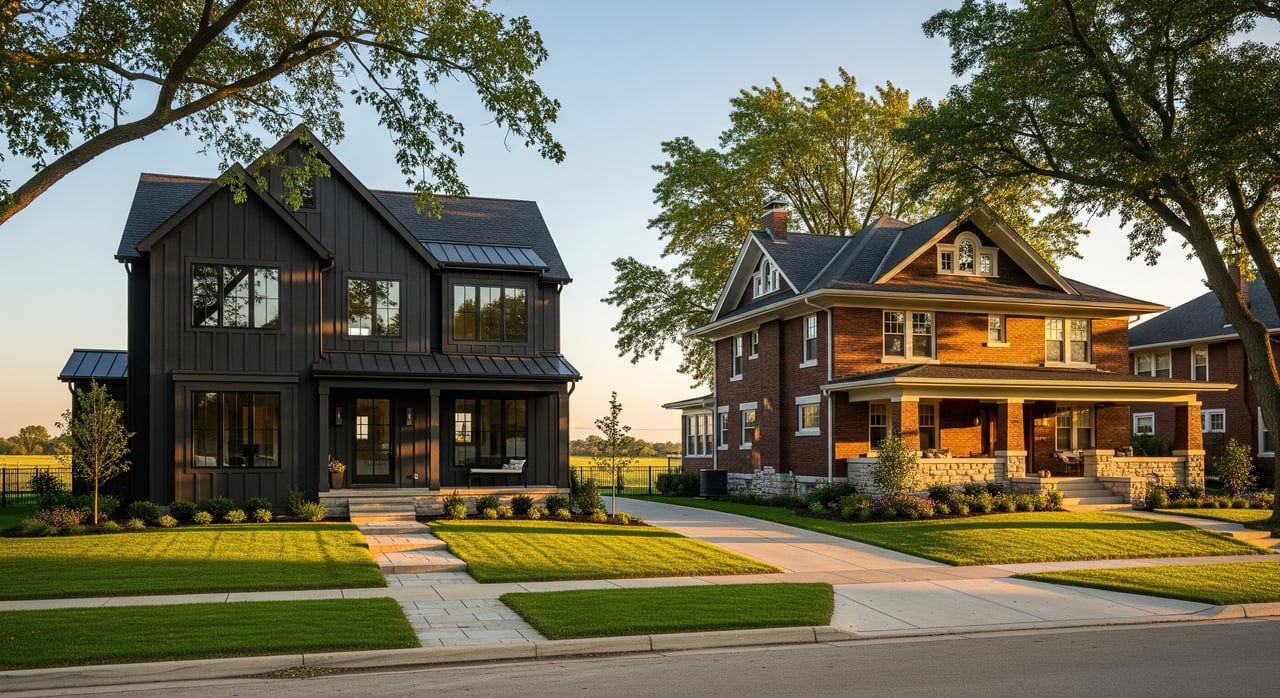
Is a brand-new home or an established house the better move for you in Tiffin? It is a common question for Johnson County buyers who want space, convenience, and long-term value. You might love the idea of modern design and low maintenance, yet also want a finished neighborhood and the ability to move soon. In this guide, you will compare timelines, costs, warranties, financing, and due diligence so you can choose with confidence. Let’s dive in.
New construction basics in Tiffin
Tiffin is growing, with new subdivisions and phases rolling out near Coralville and major roads. Builders here offer a range of spec/quick-move-in homes and semi-custom or custom options. If you want the fastest path, a completed or near-complete spec home usually shortens the wait. If you want to personalize a plan, expect a longer timeline.
Your schedule depends on permitting, site prep, weather, trade availability, and material lead times. Windows, HVAC, and appliances can drive timing. Ask your builder to outline milestones from lot prep to certificate of occupancy so you know what to expect.
Build types and timelines
- Spec or quick-move-in: shortest wait because plans and permits are in place.
- Semi-custom: more choices and a longer path due to design and approvals.
- Custom: most flexibility and often the longest timeline from start to finish.
Lot selection and key site checks
The lot you choose affects cost, comfort, and resale. Focus on basics that matter in Johnson County and Tiffin’s developing areas.
- Orientation and sun: impacts natural light, passive heating, and future solar potential.
- Topography and drainage: steep grades or low spots may add site work and affect yard use.
- Utilities and connections: confirm municipal water and sewer vs. well and septic. Ask about tap fees and timing.
- Easements and setbacks: review the recorded plat for any limits on fences, additions, or landscaping.
- Floodplain and wetlands: verify status through official floodplain and environmental resources before you commit.
- Future phases: understand what will be built nearby. Early phases may not have final paving, sidewalks, or street lighting.
If you plan to live near Coralville or Iowa City services, consider commute routes now, not later. New subdivisions often add parks and commercial uses over time, so weigh temporary drives against long-term plans.
Costs and upgrades on new builds
Upgrades can change both your price and your timeline. Builders in the area tend to price finishes in one of three ways: fixed-option packages, allowances with overage charges, or premiums for late-stage selections. You will see big choices in kitchens, flooring, lighting, finished basements, HVAC, and exterior features.
- Ask for a written list of standard features and upgrades.
- Get itemized quotes in writing and attach them to your purchase agreement.
- Confirm how upgrades impact your mortgage approval and rate lock.
A finished basement, a higher-end appliance package, or premium flooring can raise the contract price. Compare the total cost of upgrades with what similar resale homes offer so you do not overpay for finishes that do not move the needle for you.
Warranties and inspections that protect you
New homes usually come with layered warranty coverage. Many builders offer a 1-year workmanship and finishes warranty, a 1 to 2-year systems warranty for HVAC, plumbing, and electrical, and a structural warranty that can extend up to 10 years. Some enroll in third-party programs, while others manage their own.
Before closing, ask for the full written warranty and the claims process. Clarify response times for service requests. You should also schedule builder walk-throughs to create a punch list at key stages, like pre-drywall and pre-closing.
Even on a new build, consider hiring an independent home inspector. An outside review at major milestones helps you catch issues early and gives you a record to reference if you need warranty support later.
Financing differences to know
If you purchase a completed or near-complete spec home, you will likely use a standard purchase mortgage similar to buying a resale. If construction starts after you sign, you may need a construction-to-permanent loan with draw schedules and inspections.
Longer build times can affect interest rates over time. Ask your lender about rate locks, extensions, and options for seller-paid buydowns. Builder incentives change with market conditions, so compare any closing cost help, rate buydowns, or appliance packages against your other choices.
Existing homes: what you gain
Resale homes give you immediate occupancy and a predictable neighborhood setting. You get a finished yard, established streets, and a clear sense of the community. If timing matters, a resale often wins because you can align closing with your lease end or home sale.
Condition varies by age and care. Expect to review maintenance items and the age of the roof, HVAC, water heater, and windows. Renovations can be a smart path if you prefer to customize after closing rather than pay builder premiums for similar finishes.
Inspections and contingencies
Resale contracts usually include inspection, appraisal, and financing contingencies. These give you more flexibility to negotiate repairs, credits, and timelines. If the local market is competitive, you may still face pressure on price, but you typically have more room to discuss repairs than in many builder contracts.
Negotiation dynamics: builder vs. seller
With builders, leverage depends on how fast homes are selling in the subdivision, the stage of construction, and the time of year. Price drops are less common in strong markets, but you may see concessions like closing cost help or a rate buydown. In slower phases, some builders may sweeten upgrade packages.
With individual sellers, you often negotiate on price and repairs after inspection. Your leverage depends on inventory levels and days on market for comparable homes. Keep your focus on total value, not just headline price.
Which path fits your goals?
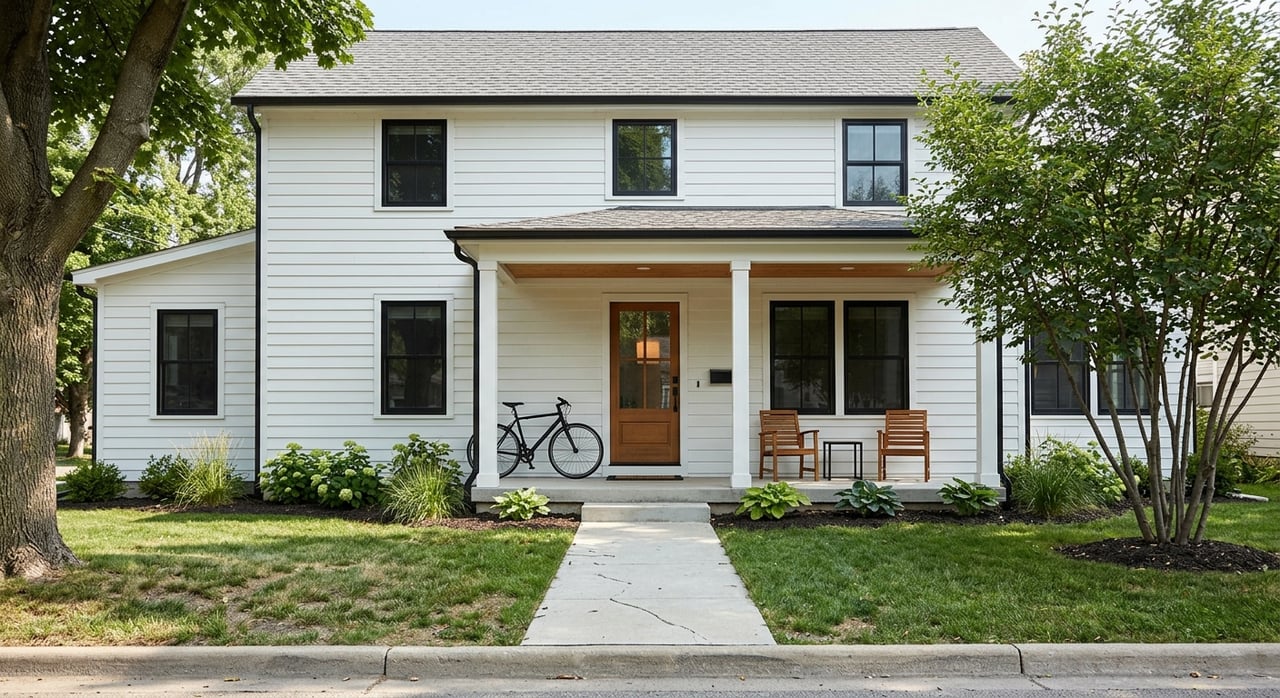
Choose new construction if you want current floorplans, energy-conscious systems, and lower near-term maintenance. It is also a fit if you want specific features such as a main-level suite, an open kitchen, or bonus space you cannot find in your price range among resales.
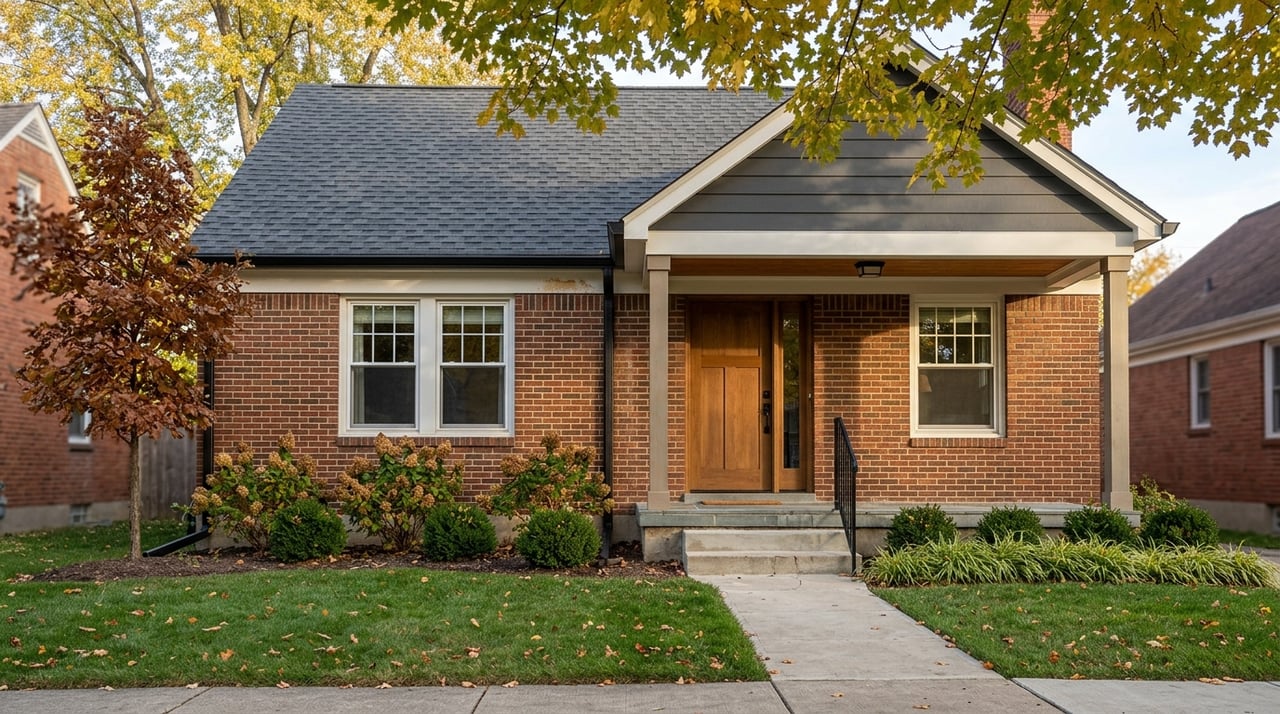
Pick an existing home if you need to move quickly, prefer a mature neighborhood setting, or want to use contingencies to negotiate repairs. Many buyers like the lot sizes and tree cover in established areas and feel confident updating finishes after closing.
Remember to weigh short-term convenience against long-term maintenance. New homes often carry a higher price per square foot with add-on upgrades. Resales can deliver location and lot value, with renovation spread over time.
Local due diligence checklist
Use this Tiffin area checklist for either path:
- Verify school district and current school assignment with the district office.
- Confirm permit status, impact fees, and subdivision plats with City of Tiffin Planning and Zoning, and check any county items with Johnson County.
- Review property tax history and projected taxes with the Johnson County Assessor.
- Check floodplain status and stormwater rules through official flood maps and local engineering.
- Confirm water, sewer, electric, gas, and internet availability, plus tap or installation fees and timelines.
- Request HOA covenants, rules, fees, and whether the HOA is developer-controlled or owner-controlled.
- Review all recorded easements, setbacks, and plat notes with the county recorder’s maps.
- For homes not on municipal services, confirm septic and well records, and future sewer availability.
- Ask about street paving, sidewalks, and street lighting schedules for new phases.
How a local advisor helps
A local, hands-on agent helps you compare real costs and timelines and keeps your interests central from offer to close. You get support with lot selection, builder meetings, inspections, and warranty follow-up, as well as negotiation strategy on resale homes. That guidance is valuable in a growing market like Tiffin where choices are expanding by the season.
If you are deciding between a new build and a resale in Tiffin, we are ready to help you weigh options and move forward with clarity. Start a conversation with Blank & McCune Real Estate.
FAQs
How long does new construction take in Tiffin?
- Spec homes are usually the quickest, while semi-custom and custom builds take longer due to design, permits, weather, and trade availability.
What upgrades add the most cost in a new build?
- Kitchen finishes, flooring, lighting, finished basements, HVAC options, and exterior features are common drivers, so get itemized quotes in writing.
What warranties come with a new home purchase?
- Many builders offer a 1-year workmanship warranty, 1 to 2-year systems coverage, and a structural warranty that can extend up to 10 years.
Should I get an inspection on a brand-new home?
- Yes, consider independent inspections at pre-drywall and pre-closing to complement builder walk-throughs and protect your warranty claims.
Can I negotiate with a builder in Tiffin?
- It depends on market conditions and builder policies; common concessions include closing cost help, rate buydowns, or selected upgrades.
What makes an existing home attractive for families?
- Immediate move-in, finished yards and roads, and the ability to use inspection contingencies to negotiate repairs or credits.