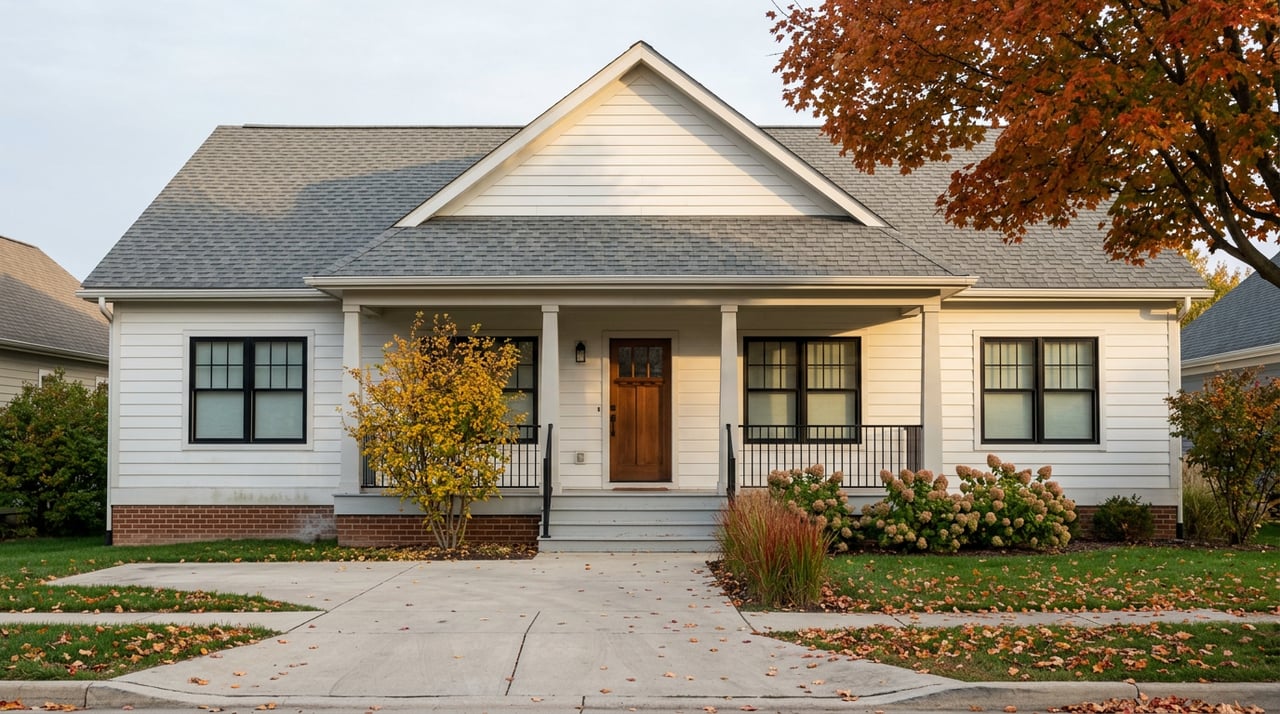
If you are trying to decide whether to build or buy your next home in Solon, you are not alone. For many buyers, the choice comes down to a simple question with a not-so-simple answer: do you want a home that is ready now, or a home designed around your preferences? In a growing community like Solon, both paths can make sense, but the better fit depends on your timeline, budget, and comfort with the process. Let’s dive in.
Why this decision matters in Solon
Solon is a growing community in Johnson County and serves as a bedroom community for Cedar Rapids, Coralville, and Iowa City. That growth brings opportunity, but it also means land use, infrastructure, and development are shaped by city planning and public review.
If you are thinking about building, local planning matters more than many buyers expect. Solon’s Planning and Zoning Commission reviews items like rezoning, plats, site plans, and ordinance changes on a monthly meeting cycle, so some development timelines are tied to public review, not just builder scheduling.
If you are thinking about buying an existing home, the path is often more straightforward. You are typically choosing from homes already built, already connected to utilities, and already past the lot-development stage that can add time and complexity to a new build.
Solon market snapshot
A recent Solon market snapshot for April 2026 reported 139 active listings, a median listing price of $499,900, a median sold price of $401,500, and a median of 51 days on market. That means buyers considering an existing home may have meaningful options to explore while they compare them against the time and effort involved in new construction.
This does not mean one route is better for everyone. It means you have choices, and a smart decision starts with understanding what each option really involves in Solon.
What building a home in Solon involves
Building gives you more control over layout, finishes, and features. If you want a home tailored to how you live, that flexibility can be very appealing.
At the same time, building in Solon is more than choosing a floor plan and signing a contract. The city requires a building permit for all new construction, and the permit packet calls for detailed documentation before a project can move forward.
Solon permit requirements
For a new home, Solon’s permit packet asks for items such as:
- Scaled site and building plans
- Property pins and setback information
- Grading and erosion-control details
- Utility locations
- Proof of lot ownership
- Contractor bonding for sewer and water connections
The city says complete residential permit applications are usually processed in about 7 to 10 working days, or no more than two weeks, once all required information has been submitted. The key phrase is complete application. Solon also states that non-complying submittals will not be reviewed.
Lot readiness is a major factor
One of the biggest questions in a new build is whether the lot is truly build-ready. In Solon, that matters a great deal.
The city’s subdivision rules apply not only within city limits, but also to land within two miles of the corporate limits when land is being divided into three or more lots for development. So if a parcel looks close to town and seems ready for a home, it may still be subject to subdivision rules and approvals before construction can begin.
Solon’s code also makes clear that required subdivision improvements and agreements may need to be in place before a building permit is issued. Depending on the development, that can include streets, sidewalks, water mains, sanitary sewer, drainage, utility lines, easements, and street lights.
Building costs can extend beyond the house
When buyers think about a build budget, they often focus on the home itself. In reality, the total cost can be broader.
In Solon, subdivision improvements may be part of what shapes a lot’s readiness and overall cost. That is why it is important to ask what is included in the lot price, what site work is still needed, and who is responsible for utility hookups and related improvements.
You will also want to plan for ongoing city utility charges. Solon’s utility bill currently includes water, sewer, a sewer debt fee, a sewer usage fee, storm sewer, and refuse and recycling charges.
Construction financing works differently
Financing a build is also different from financing an existing home. A construction loan is usually a short-term loan used to build or rehabilitate a home, and it may later convert to a conventional mortgage or require a new loan.
That difference affects timing, paperwork, and sometimes the number of closings involved. If you are leaning toward building, it is wise to talk with a lender early so you understand how draws, conversion, and overall cash needs may work.
What buying an existing home changes
Buying an existing home usually means fewer local process steps on the front end. You are generally not dealing with platting, subdivision approval, or the same site-plan issues that often come with a new build.
That simpler path is one reason many buyers choose resale homes when they want more certainty around timeline. If your goal is to move sooner, reduce moving parts, or avoid construction delays, an existing home may be the easier fit.
The biggest advantages of buying
When you buy an existing home in Solon, you may benefit from:
- A shorter route to closing and occupancy
- More clarity on what you are purchasing today
- Established lots, utilities, and surrounding infrastructure
- The ability to compare multiple homes currently on the market
With 139 active listings reported in Solon in April 2026, existing homes may offer enough variety for buyers who want options without waiting through the build process.
The tradeoff is less customization
The biggest limitation of an existing home is that you are choosing from what is already there. You may love the location but want a different kitchen layout, or appreciate the lot but wish the home had a main-floor office.
You can often update a resale home over time, but changes may still involve permits. Solon says permits are required for most additions, decks, enclosed porches, pools, solar arrays, remodels, and basement finishing. Residential siding, roof, and window replacements do not require a permit.
Existing homes still come with risk
A simpler purchase does not mean a risk-free one. With an existing home, your focus often shifts toward inspection findings, repair needs, and future updates.
That is the practical tradeoff. Buying can be faster and more predictable, but you may need to budget for repairs or improvements rather than design everything from the start.
Questions to ask before you build
If you are seriously considering new construction in Solon, ask these questions early:
- Is the lot already platted and approved?
- Are required subdivision improvements complete?
- What is included in the lot price?
- Who pays for site work and utility connections?
- What documents are needed for the city permit?
- How will plan changes or revisions be handled?
- What inspections are required, and who coordinates them?
- How long is the expected construction timeline?
These questions matter because Solon’s process includes site-plan review, code review, and verification of erosion control and other jobsite preparation. Getting clear answers upfront can help you avoid surprises later.
How to vet a builder in Iowa
Builder selection is one of the most important parts of the process. In Iowa, construction contractors must register with DIAL if they earn at least $2,000 per year from construction work.
It is also worth knowing that subcontractors are not covered by a general contractor’s registration, workers’ compensation rules can apply when employees are involved, and some trades such as plumbing, mechanical, and HVAC have separate licensing rules. Asking how your builder handles subcontractors, scheduling, revisions, and city coordination is a smart step before you sign anything.
How to decide which path fits you
For many buyers, the decision comes down to priorities.
If you want customization and are comfortable with a longer, more detailed process, building may be the better route. If you want a simpler path and more certainty around timing, buying an existing home may be the stronger choice.
Here is a simple way to think about it:
| If you value this most | You may prefer |
|---|---|
| Custom layout and finishes | Building |
| Faster move-in timeline | Buying |
| Fewer approval steps | Buying |
| Personal design choices | Building |
| More predictable purchase process | Buying |
| Starting from brand-new materials and systems | Building |
In Solon, this is not just a style decision. It is also a planning, timing, and process decision shaped by local permitting, subdivision rules, and market availability.
Why local guidance helps
The build-versus-buy question is easier to answer when you can compare the real tradeoffs side by side. In Solon, that means looking beyond the listing photos or floor plan and understanding lot readiness, city process, utility setup, financing structure, and your move timeline.
That kind of local context can save you time and help you make a decision with more confidence. Whether you are comparing resale homes, evaluating lots, or trying to understand what a nearby development may require before it is truly build-ready, having a local advisor can make the process feel much more manageable.
If you are weighing your options in Solon, the team at Blank & McCune Real Estate can help you compare what is available now with what it may take to build, so you can choose the path that fits your goals.
FAQs
Should I build or buy a home in Solon if I want to move quickly?
- If your priority is a faster move, buying an existing home is usually the simpler option because it avoids many of the approvals and construction steps that come with a new build.
What does Solon require for a new home building permit?
- Solon requires a building permit for new construction, and the application typically includes scaled plans, property pins, setback details, grading and erosion-control information, utility locations, proof of lot ownership, and contractor bonding for sewer and water connections.
How long does a residential permit take in Solon?
- Solon says complete residential permit applications are usually processed in about 7 to 10 working days, or no more than two weeks, once all required information is submitted.
What should I ask before buying a lot near Solon?
- Ask whether the lot is already platted and approved, whether required subdivision improvements are complete, what utilities are in place, and whether the parcel is subject to subdivision rules within Solon’s review area.
Does buying an existing home in Solon avoid all permit issues?
- No. While buying an existing home avoids the new-build permit and subdivision process, future projects such as additions, decks, remodels, pools, solar arrays, and basement finishing may still require permits from the city.
What makes construction financing different from a regular home loan?
- Construction financing is usually a short-term loan for building or rehabilitating a home, and it may later convert to a conventional mortgage or require a new loan, which can make the financing process different from a standard home purchase.