If you are thinking about investing near the University of Iowa, it helps to know that this is not a one-size-fits-all college town market. Iowa City has steady rental demand, but it also has clear seasonality, local rules, and property-specific costs that can shape your results. When you understand how the university calendar, city inspections, and housing mix work together, you can make smarter decisions with fewer surprises. Let’s dive in.
Why Iowa City stands out
Iowa City is closely tied to the University of Iowa, and that relationship shapes the local housing market. The university describes itself as part of a four-city community, with the main campus next to historic downtown and many graduate, professional, and health care programs on the west side.
That scale matters for investors. Fall 2025 enrollment was 31,563 students, and the university reports that nearly 94% of first-year students live on campus. In practice, that means off-campus demand tends to come more from upperclassmen, graduate students, professional students, and university employees than from first-year students.
Iowa City is also a renter-heavy market. Census data shows a 47.2% owner-occupied housing rate, and the city housing profile notes that 53.7% of residents are renters. For an investor, that points to a market where rentals are a major part of the housing landscape, not a side category.
What properties fit this market
Near the university, you are not limited to one property type. Iowa City has a mixed housing stock, with detached homes, attached homes, smaller multi-unit buildings, and larger apartment properties all playing a role.
The city housing profile shows about 42% of housing as 1-unit detached, 9% as 1-unit attached, 8% as 2-to-4-unit properties, 24% as 5-to-19-unit buildings, and 15% as 20-plus-unit buildings. That variety creates different paths for investors depending on your goals, budget, and management style.
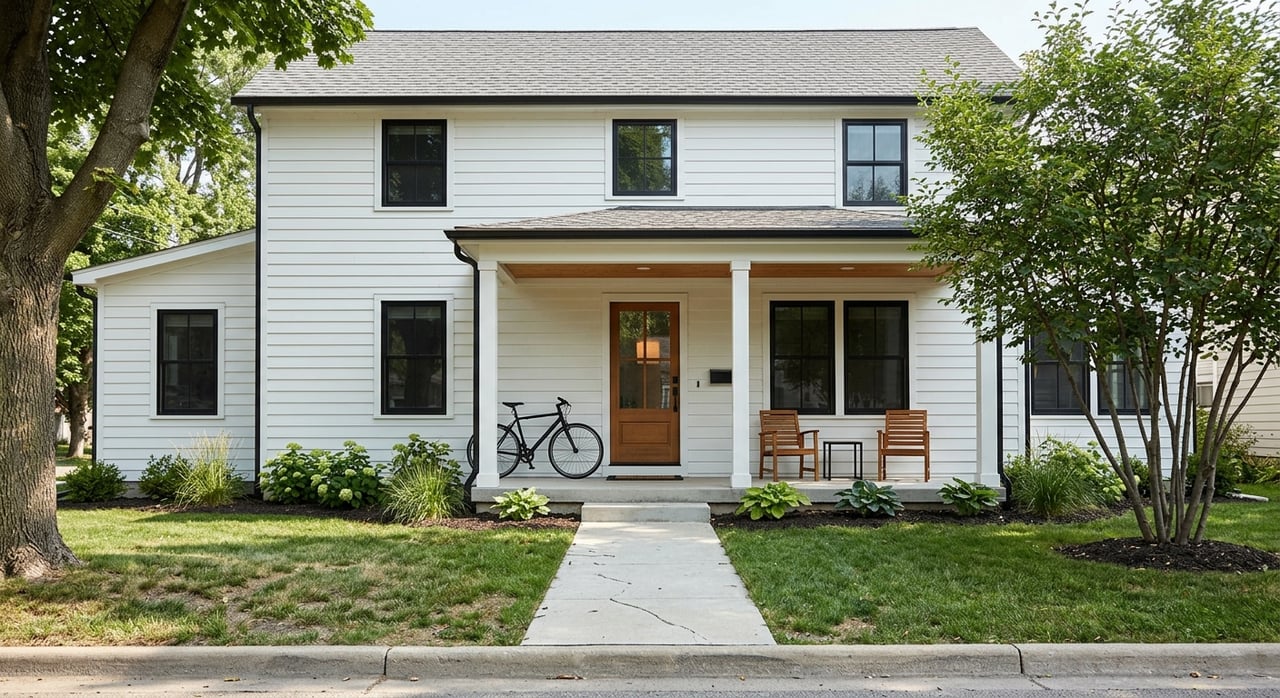
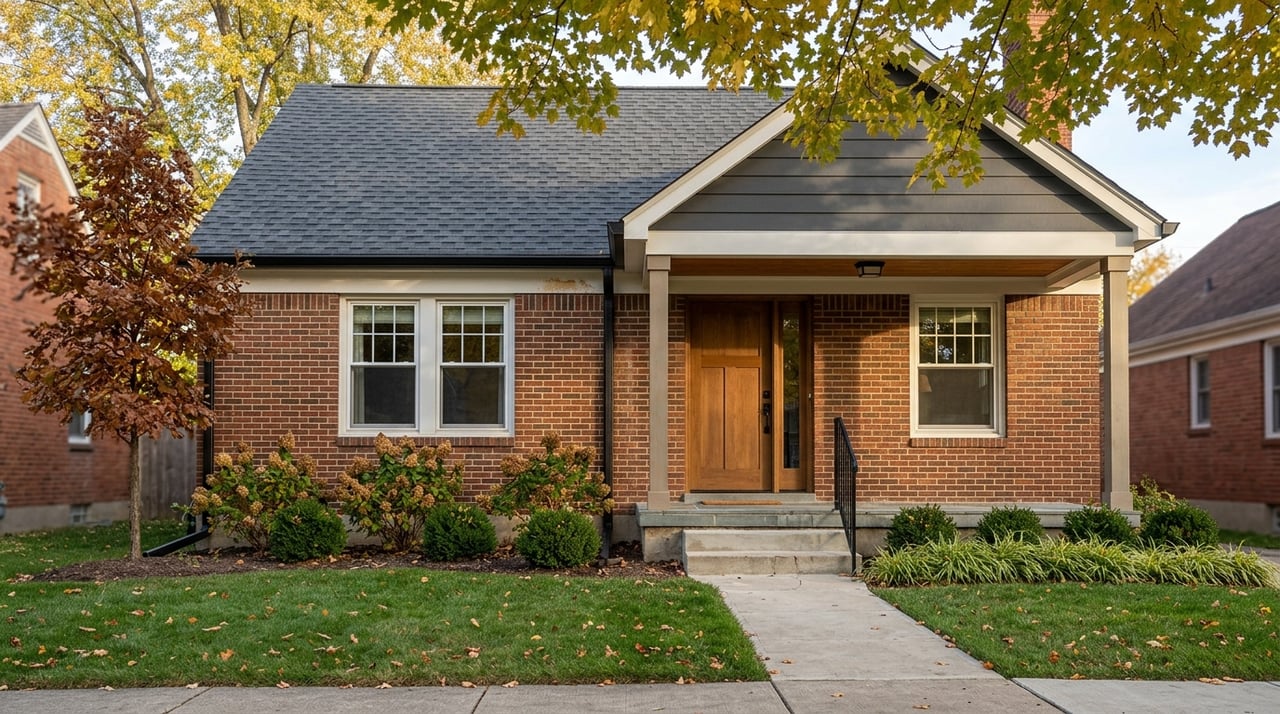
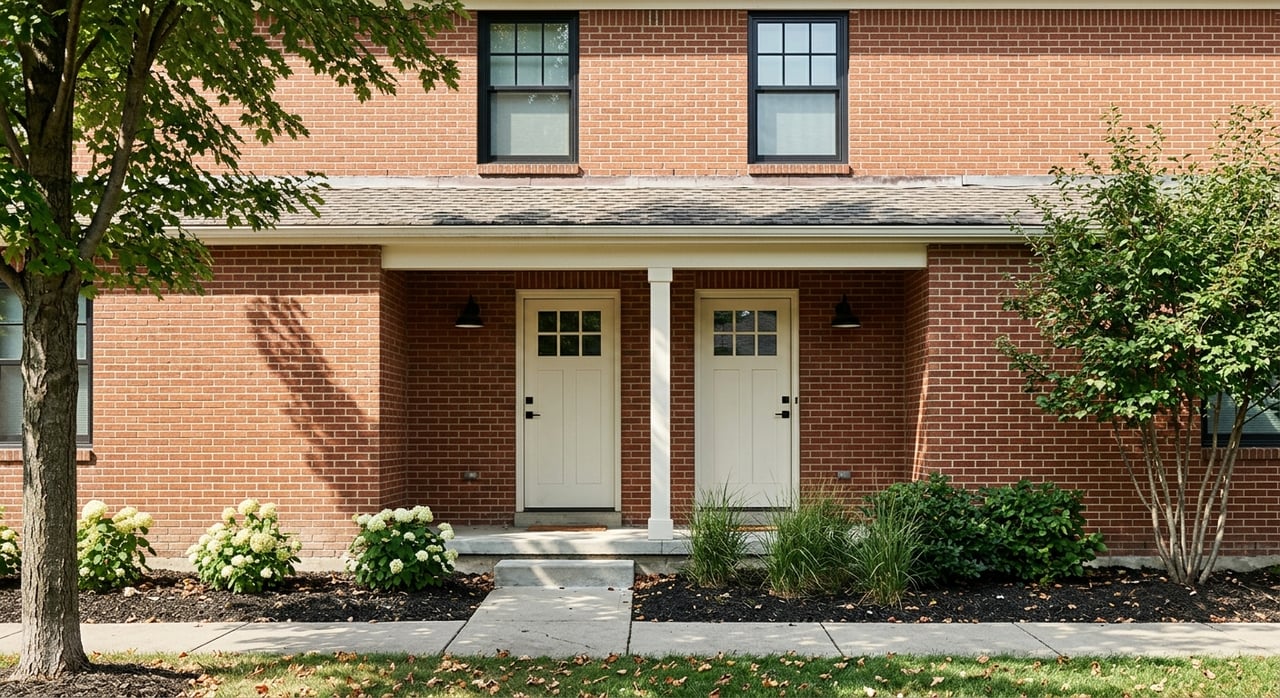
For many university-area buyers, the practical options are older single-family homes, duplexes, and smaller multifamily buildings. These properties may appeal to renters who want access to campus, downtown, or university-related employment centers.
Demand is tied to the academic calendar
One of the biggest differences in this market is timing. Lease activity in Iowa City tends to follow the academic year, and that can affect everything from marketing to maintenance planning.
The university’s off-campus guidance says most Iowa City leases begin August 1 and end in late July. University housing move-ins for 2025-26 were also clustered around mid-to-late August for fall and mid-January for spring, reinforcing how concentrated turnover can be.
That means your busiest period will often land in late spring and summer. Cleaning, repairs, painting, inspections, marketing, and lease signing often need to be completed well before August turnover. If you are buying an occupied property, understanding lease dates before closing is especially important.
Parking matters more than many buyers expect
In a university-area rental, parking is part of the value of the property. It is not just a convenience item.
The university’s off-campus renter guide specifically tells renters to think carefully about parking. It also notes that street parking cannot be used to store a vehicle during vacations and breaks, and vehicles can be towed for violations.
For an investor, that means parking can affect both tenant interest and day-to-day satisfaction. A property with practical off-street parking may be easier to market than one that relies heavily on street availability.
Utilities and condition can shape cash flow
A property near campus may look attractive on paper, but utility performance and condition can have a real impact on operating costs. This is especially true in Iowa City, where renters deal with hot summers and cold winters.
The university advises renters to ask about utility costs and to pay attention to the age and quality of construction and insulation. For owners, that means older properties may need more careful review before purchase, especially if heating and cooling efficiency is weak.
A lower purchase price does not always mean lower long-term cost. If a property has outdated systems, poor insulation, or deferred maintenance, your expenses may rise quickly through repairs, turnover work, and utility-related concerns.
Older homes may need added planning
Many investors are drawn to older housing near campus because of location and demand. That can make sense, but older properties often require more due diligence.
Iowa City has reminded owners that special precautions are required before disturbing painted surfaces in residential buildings built before 1978. If you are planning renovations, even smaller projects may require more planning than you first expect.
Johnson County also says owners should report remodeling, additions, new furnaces or central air, decks, garages, and similar improvements to the assessor. Those updates may improve rentability, but they can also affect your property’s assessed value over time.
Understand reassessment before you renovate
For long-term investors, taxes are part of the ownership story. Johnson County states that real property is reassessed every two years, and it notes that assessed value is the key comparison point.
That does not mean you should avoid improvements. It does mean you should weigh renovation costs, operating benefits, and possible assessment changes together rather than viewing each decision in isolation.
For example, a new furnace, finished lower level, or exterior upgrade may help with leasing and maintenance. At the same time, those changes can alter the property’s assessment picture in future cycles.
Iowa City is a regulated rental market
Before you buy near the university, it is important to understand that Iowa City has a structured local rental system. This is one of the most important parts of evaluating an investment property here.
The city says all rental property requires a rental permit. Its Housing Inspection Services program inspects more than 8,800 rental units annually, and rentals in single-family homes, duplexes, and multifamily structures are inspected every two years.
The city also states that violations must be corrected before a permit is reissued. For an investor, that means permit status and inspection history should be part of your pre-closing review, not an afterthought.
Local management can reduce friction
Because the market is seasonal and regulated, local oversight can be a real advantage. This is especially true if you do not live nearby or if you want a more hands-on process during turnover season.
Iowa City requires rental permit applications and renewals to include an email address, and inspection notices, reports, and re-inspection notices are sent by email only. The city also requires owners who do not live in Johnson County to have a county-based designated agent with authority to receive notices and authorize repairs.
That makes strong local management especially helpful. A local team can coordinate repairs, keep permit issues moving, and help you stay on pace during the high-pressure summer turnover window.
What to verify before closing
If you are comparing investment options near the University of Iowa, a few checks can help you avoid common surprises. The goal is to confirm that the property works not only as a building, but as an operating rental in Iowa City.
Here are key items to review before closing:
- Active rental permit status
- Inspection history and any unresolved violations
- Lease dates and turnover timing
- Parking setup and limitations
- Age and condition of major systems
- Utility performance and insulation concerns
- Whether pre-1978 renovation precautions may apply
- Whether an in-county designated agent is required
These details can affect income, timing, maintenance costs, and compliance. In a university market, operational readiness matters just as much as location.
A smart strategy in this market
The strongest university-area acquisitions are often not the flashiest properties. They are usually the ones that are code-compliant, practical to maintain, parking-friendly, and aligned with the academic calendar.
In Iowa City, that kind of steady, informed approach tends to matter more than chasing a quick win. A well-chosen property with manageable turnover, clear permit status, and solid fundamentals may offer a smoother path than a bargain purchase with hidden repair or compliance issues.
If you are exploring investment opportunities near the University of Iowa, local context can make all the difference. The team at Blank & McCune Real Estate brings deep Iowa City market knowledge, investor guidance, and property management experience to help you evaluate opportunities with clarity.
FAQs
What makes investing near the University of Iowa different from other Iowa City rentals?
- University-area rentals often follow a highly seasonal lease cycle, with many leases beginning August 1 and ending in late July, so timing, turnover planning, and pre-leasing are especially important.
What property types are common for investors near the University of Iowa?
- Common options include older single-family homes, duplexes, and smaller multifamily properties, alongside a broader city housing mix that also includes attached homes and larger apartment buildings.
What should you check before buying a rental property in Iowa City?
- You should verify rental permit status, inspection history, lease timing, parking, major system condition, utility performance, and whether local agent requirements apply.
How often are Iowa City rental properties inspected?
- Iowa City states that rental properties are inspected every two years for single-family homes, duplexes, and multifamily structures, and violations must be corrected before a permit is reissued.
Why does parking matter for rentals near the University of Iowa?
- Parking can affect tenant interest and daily convenience because the university’s off-campus guidance notes limits on using street parking for vehicle storage during breaks and warns that violators can be towed.
How can property improvements affect an Iowa City investment property?
- Improvements like furnaces, additions, decks, garages, or other upgrades can improve rentability and operations, but Johnson County says these changes should be reported and may affect assessed value over time.