If you are selling an acreage-style property near Solon, you are not just putting a house on the market. You are selling space, privacy, outdoor utility, and a rural-feel lifestyle with access to the Iowa City metro. That can attract the right buyers, but it also means you need stronger prep work than a typical in-town listing. This guide walks you through what to organize, what to verify, and how to present your property with confidence. Let’s dive in.
Understand the Solon acreage buyer
Buyers looking near Solon are often drawn to more than square footage. Solon is a smaller Johnson County community near Iowa City, Coralville, and Cedar Rapids, with nearby access to Lake Macbride State Park and the Coralville Reservoir. That setting helps shape buyer interest in properties that offer land, privacy, and room for outdoor use.
For you as a seller, that means your marketing should reflect the full property story. The house matters, of course, but so do the land features, access, outbuildings, and utility systems. A buyer considering an acreage-style home usually wants a clear picture of how the property works day to day.
Gather documents before you list
Acreage-style properties often come with more moving parts than a standard residential lot. The more complete your paperwork is before listing, the smoother your sale can be.
In Iowa, a seller disclosure statement must be delivered before a written offer is made or accepted. Under Iowa law, that disclosure covers the condition and important characteristics of the property and its structures. If information changes, the statement should be updated.
For a Solon-area acreage listing, it helps to build a document package early. That file can answer buyer questions faster and reduce uncertainty during inspections and negotiations.
Key records to collect
- Seller disclosure statement
- Copies of permits and final approvals
- Survey or plat, if available
- Site sketch or aerial image
- Records for wells, septic systems, and drainage improvements
- Paperwork related to parcel splits, rezoning, or zoning history, if applicable
- Right-of-way or utility permit records for work tied to access or drainage
If your property is in Solon city limits, permit rules come from the city. If it is outside city limits, Johnson County rules for unincorporated areas apply, and those rules can differ.
Verify permits and site improvements
Before your home goes live, review any changes made to the site or structures. This includes garages, sheds, decks, pools, porches, solar work, additions, plumbing, mechanical work, and electrical work.
Inside Solon, the city says permits are required for most of those improvements. The city also notes that sheds under 144 square feet do not require a permit. In unincorporated Johnson County, the rules are different, including an exemption for one-story detached accessory structures up to 200 square feet.
That difference matters because acreage buyers often focus on accessory buildings and outdoor improvements. If you can clearly show what was added, when it was done, and whether permits were obtained, you can help prevent last-minute concerns.
Why zoning history matters
If your property is outside city limits, zoning can be especially important. Johnson County says its unincorporated area is broadly divided into agricultural or rural, preservation, and growth areas. The county also states that parcels not zoned for residential or commercial use generally must be rezoned before a building permit can be issued, except for farms.
If your property has a history of parcel splits, rezoning, or added structures, gather that paperwork now. Buyers may want to understand what has been approved already and what records exist for the site.
Prepare for well and septic questions early
Many acreage-style properties near Solon may rely on private wells and private sewage systems rather than city utilities, especially outside city limits. That means buyers will likely ask detailed questions about water and wastewater systems.
Getting ahead of those questions is one of the best ways to reduce stress later. A pre-listing review can help you spot missing records or maintenance items before a buyer does.
Private septic transfer rules
Iowa’s Time of Transfer law requires every home or building served by a private sewage disposal system to be inspected before sale or deed transfer. The inspection must be completed by a DNR-certified inspector. Johnson County Public Health also outlines the local process for septic review and transfer paperwork.
If your property has a septic system, do not wait until the last minute. Start early so you have time to schedule the inspection, gather maintenance records, and respond if the inspection turns up an issue.
Septic records buyers want to see
Johnson County says septic systems should be approved before work begins and should be pumped every 3 to 5 years depending on use. For advanced systems or systems with above-ground discharge, the county requires ongoing operation permits and inspection records.
Helpful records include:
- Pumping receipts
- Maintenance logs
- Contractor contact information
- Design or approval paperwork, if you have it
- Operation permit records for advanced systems, if applicable
Private well records to review
Johnson County Public Health recommends annual testing for private wells and provides free water analysis to rural county residents. The county says testing includes coliform bacteria and E. coli, and it notes arsenic and manganese testing every three years. County FAQs also state that homeowners on private wells can receive one free annual bacteria and nitrate test.
The county also gives a practical annual maintenance checklist. You should check for a tight well cap, no visible casing cracks, no openings around the base, and protection from spills or contamination. If the water has odor, discoloration, or other changes, the county recommends testing it.
Watch for abandoned wells
One of the biggest surprises on acreage properties can be an old or unused well. The Iowa DNR says abandoned wells can reduce property value and delay closings. It also states that all water-supply wells, including abandoned and plugged wells, must be disclosed on the Groundwater Hazard Statement when a property is sold or transferred.
This is why an early property inventory matters. If you know where active, unused, or abandoned wells are located before listing, you have more time to address questions and avoid rushed negotiations later.
If an abandoned well is discovered late in the process, the DNR notes that it often leads to delays and new negotiations over plugging. Johnson County also offers well-plugging and rehabilitation assistance for eligible owners, which may be useful if a pre-listing review uncovers a problem.
Organize access and drainage records
Acreage buyers often look closely at how a property is reached and how the land handles water. In Johnson County, separate right-of-way and utility permits may apply to projects involving driveways, culverts, field tile, brush clearing, and utility work in the county right-of-way.
If you have records tied to those improvements, keep them with your listing file. They can help explain how access was improved over time and may answer questions about drainage or site function.
Market the land, not just the house
When you sell an acreage-style property near Solon, the land should be part of the value story. Nearby outdoor amenities like Lake Macbride State Park, the Coralville Reservoir, and other county conservation areas help place your property within an outdoor-oriented lifestyle setting.
That does not mean using hype. It means clearly showing buyers what is on the property and how it may support the way they want to live.
Features worth highlighting
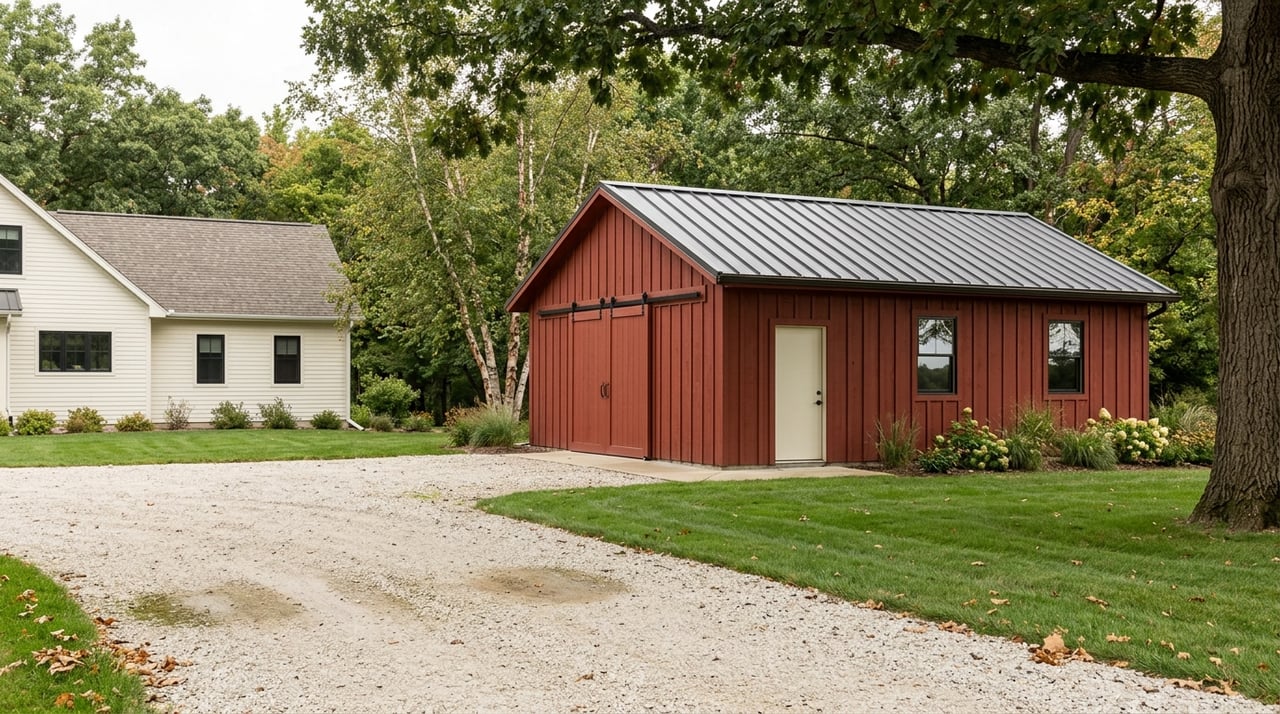
- Outbuildings, shops, or barns
- Fenced areas
- Gardens or open usable ground
- Woods or trails
- Seasonal views
- Site layout and distance between structures
- Driveway approach and parking areas
Good photography and clear descriptions matter here. Buyers need to understand both the visual appeal and the practical function of the land.
Make showings easier for buyers
Showing an acreage-style home usually takes more planning than showing an in-town property. Rural or exurban access can require better directions, more appointment lead time, and clear guidance about gates, locks, or parking.
If your property has a long driveway, multiple structures, or specific access points, prepare instructions in advance. The easier it is for buyers to tour the property, the easier it is for them to focus on the home and land rather than logistics.
Know who to contact before listing
If questions come up, local offices can help you verify what is on record. For acreage-style properties near Solon, the most relevant offices depend on whether the property is inside city limits or in unincorporated Johnson County.
A little verification before listing can save you from much larger issues later. This is especially true if you have older outbuildings, unpermitted additions, drainage work, a private well, or a private sewage system.
Local contacts that matter
- Johnson County Public Health for wells, septic systems, and Time of Transfer questions
- Johnson County Planning, Development and Sustainability for permits, zoning, and site plans
- City of Solon for parcels inside city limits
Selling acreage near Solon takes more than a yard sign and a few photos. It takes local context, careful document prep, and a plan for explaining the property clearly. If you want experienced guidance on how to position your home and land for today’s buyers, connect with Blank & McCune Real Estate.
FAQs
What documents should you gather before selling an acreage-style property near Solon?
- You should gather your seller disclosure statement, permit records, final approvals, survey or plat if available, site sketch or aerial image, and records related to wells, septic systems, drainage work, parcel splits, zoning history, and access improvements.
Does a private septic system need an inspection before selling near Solon?
- Yes. Iowa’s Time of Transfer law requires a home or building served by a private sewage disposal system to be inspected before sale or deed transfer, and the inspection must be done by a DNR-certified inspector.
What well information should you disclose when selling rural property in Johnson County?
- You should identify and disclose water-supply wells on the property, including abandoned and plugged wells, because the Iowa DNR requires them to be reported on the Groundwater Hazard Statement during a sale or transfer.
Do permits matter when selling a property with outbuildings near Solon?
- Yes. Buyers may ask for records on garages, sheds, decks, additions, and other improvements, and permit requirements differ between Solon city limits and unincorporated Johnson County.
Who should you contact with acreage property questions near Solon?
- For local guidance, you may need Johnson County Public Health for well and septic questions, Johnson County Planning, Development and Sustainability for zoning and permits, and the City of Solon for properties within city limits.